Overview
Kiosk placement did not offer any differentiation
No communication of the benefits to the users
Low trust in a new technology for nutrition and food.
Research
350+
minutes of observation sessions
12+
contextual interviews conducted
45+
intercept conversations
2+
surveys completed
Key Barriers Identified
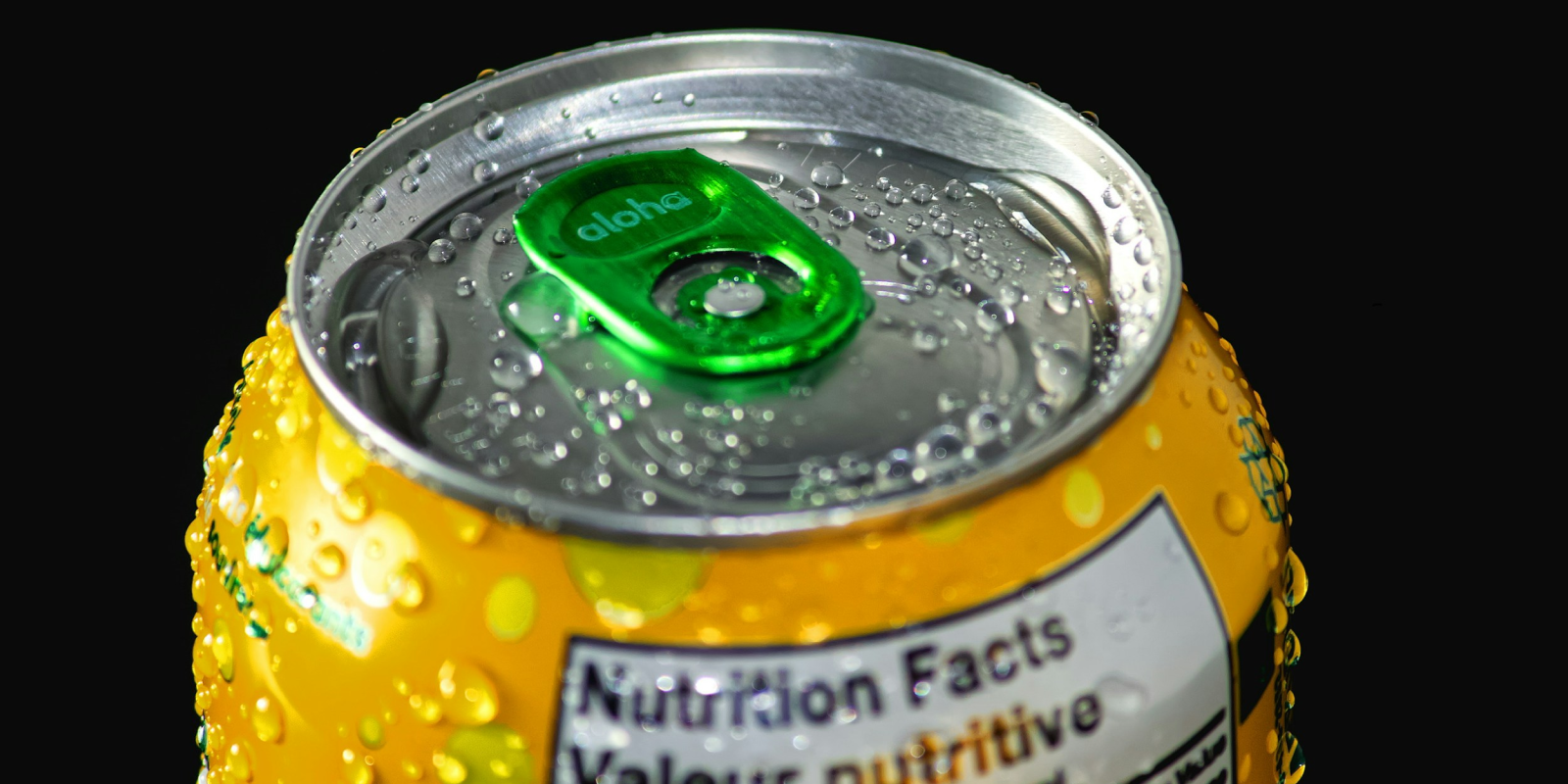
Gym-goers want snacks that clearly show how they're made and the real nutritional benefits they offer.
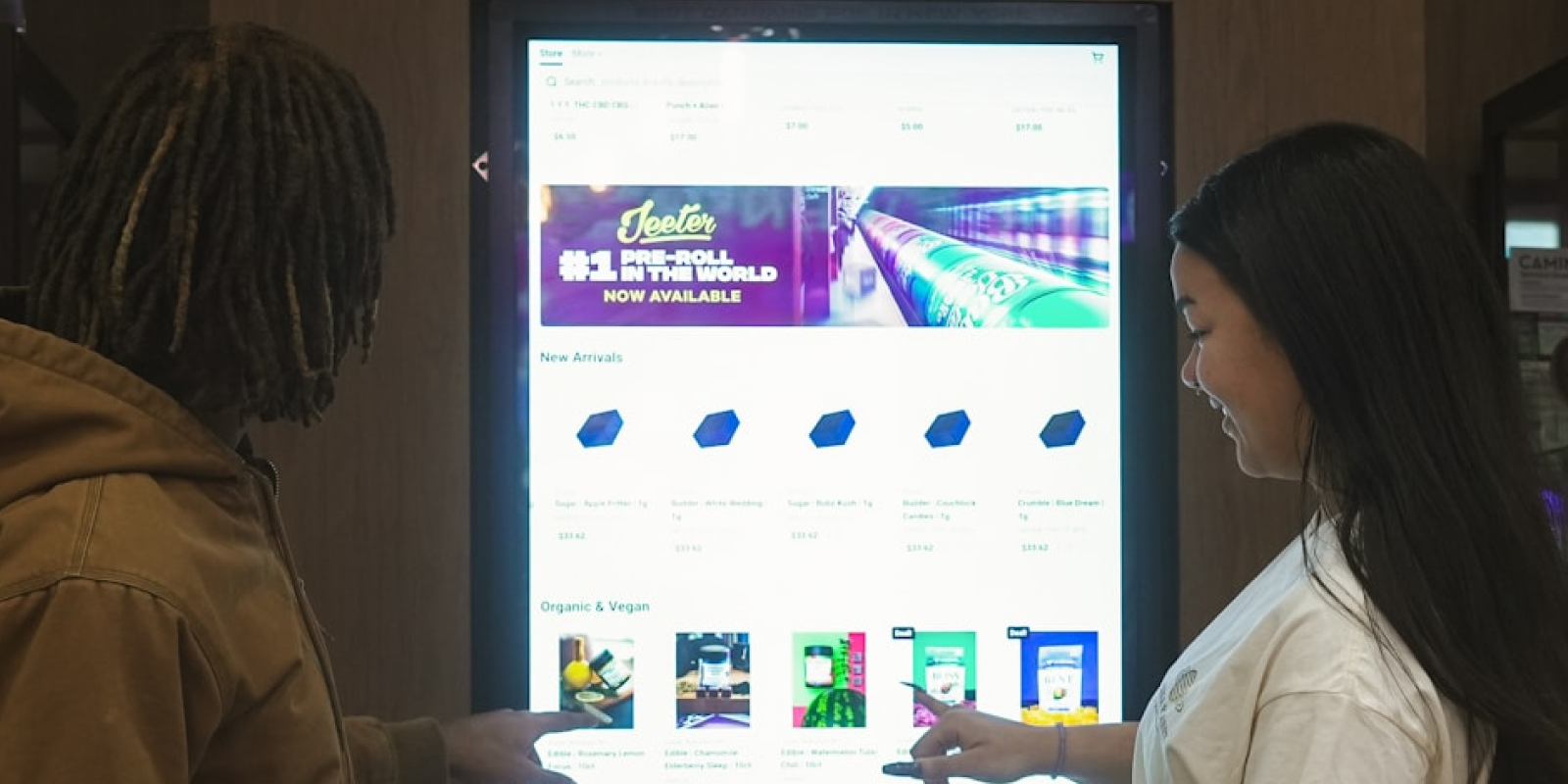
Lack of familiarity with new technology and products reduced trust and willingness to try them.

Gym-goers preferred their routines and didn't want to break patterns to interact with new solutions that were untested.
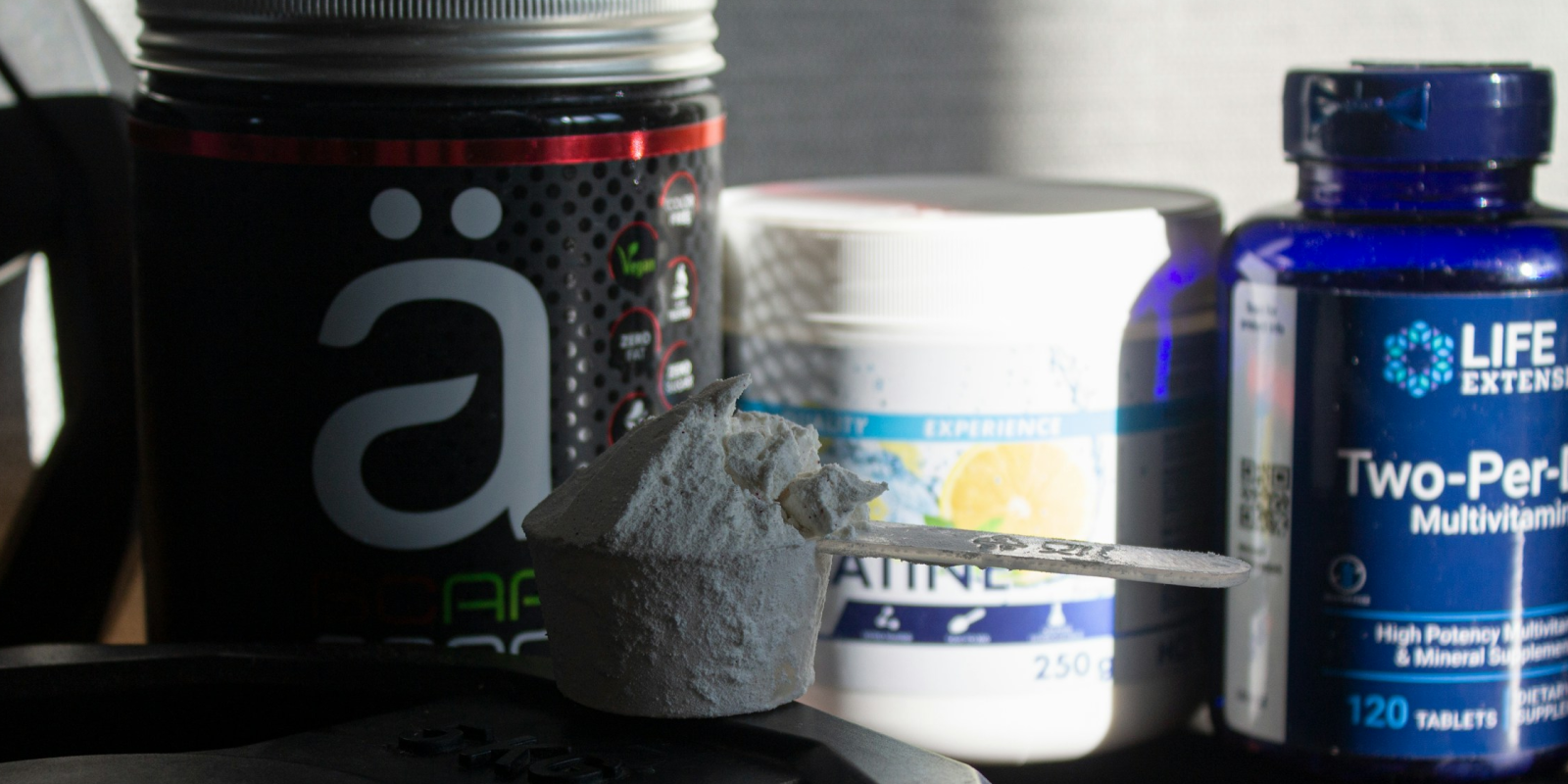
Different routines drive different nutritional needs, influencing how customers select snacks.
Reframe
How Might We
/ Solution /
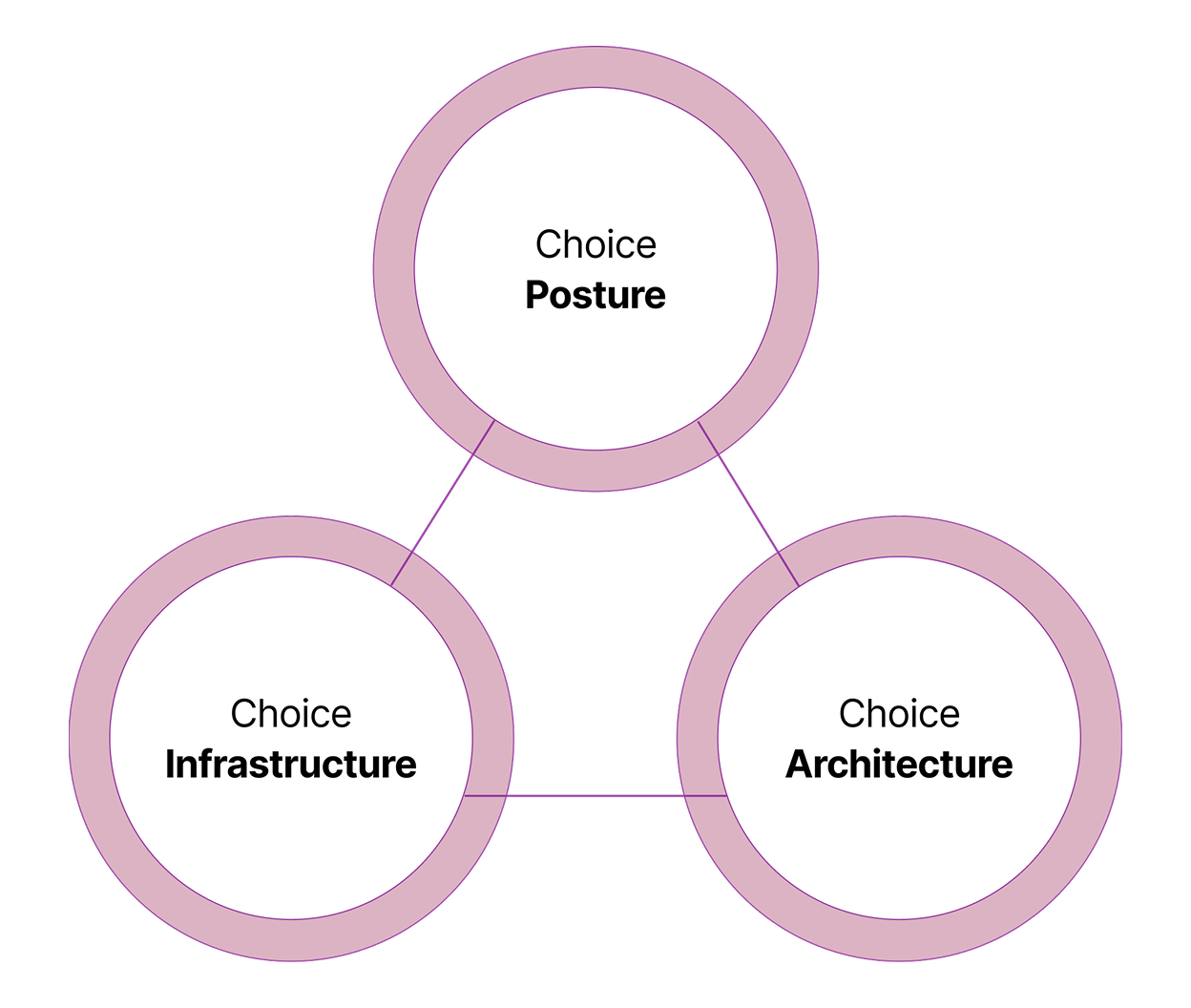
Building credibility and reducing behavioral friction at the moment of choice through transparency, clarity, and routine-aligned design.
Design Principle #1
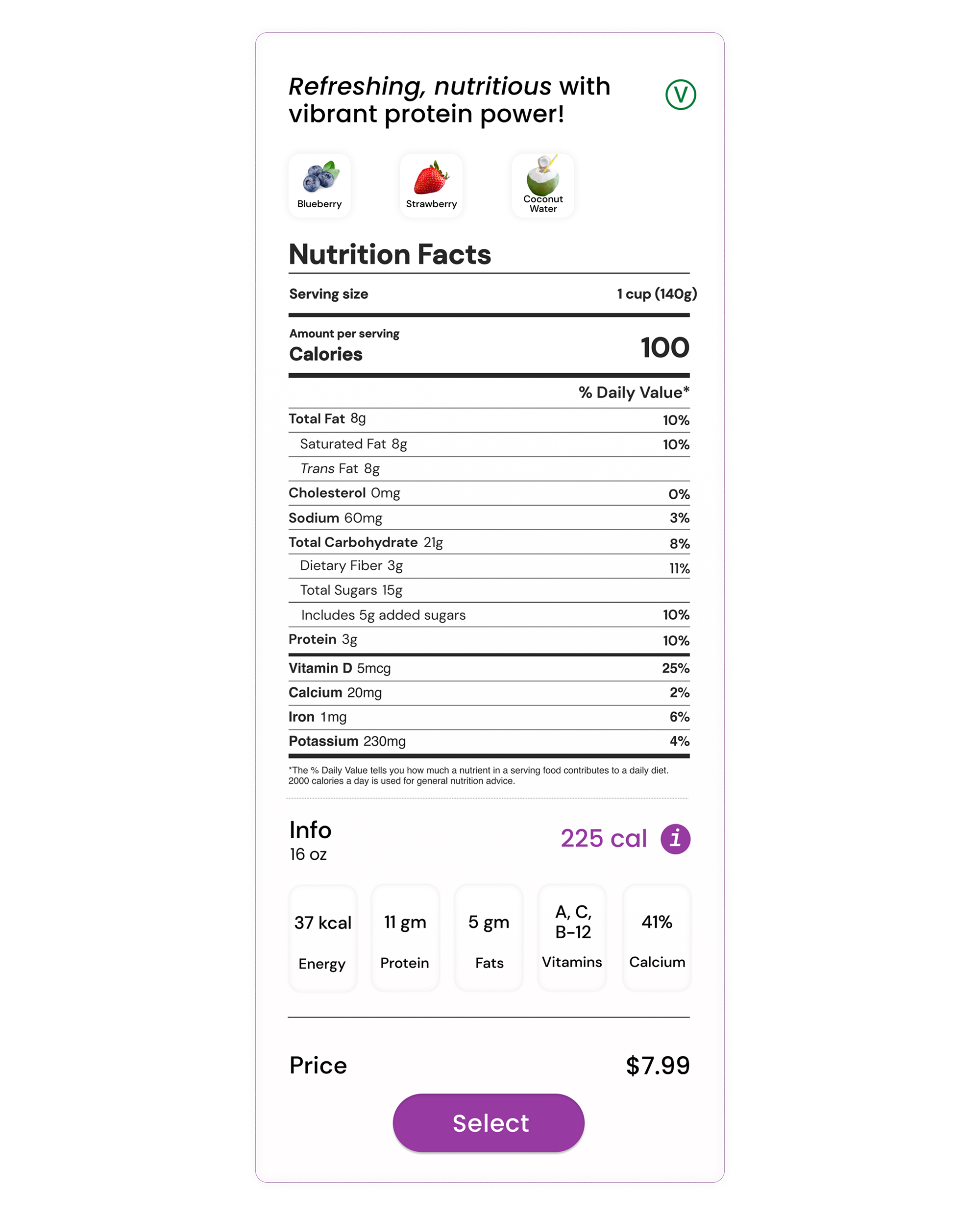
Prioritizing benefits communication
to convey nutritional value from fresh ingredients.
Design Principle #2
Addressing integration
into existing lifestyle and workout routines.
Design Principle #3
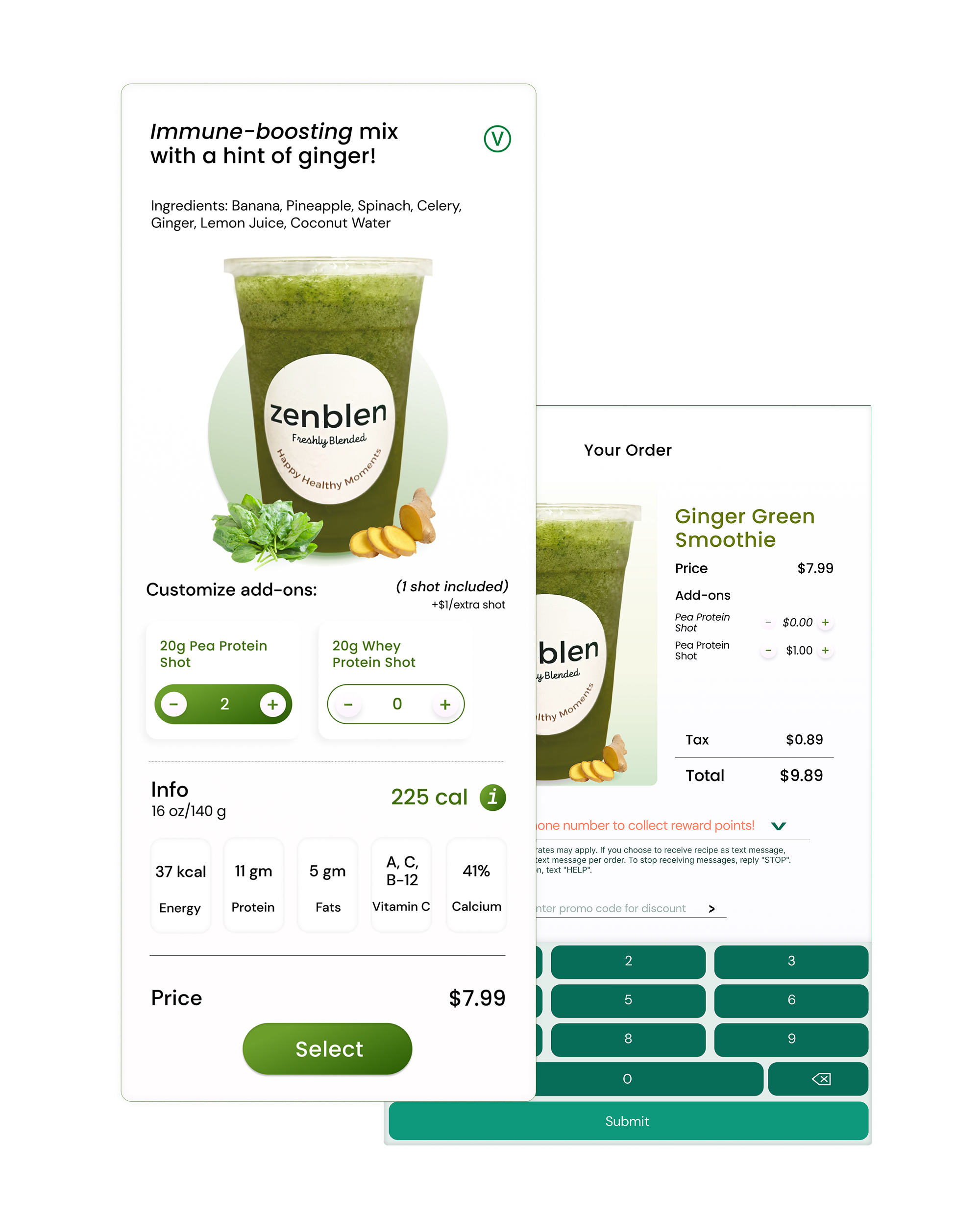
Offering customization
that helps address diverse user preferences and needs.
Design Principle #4
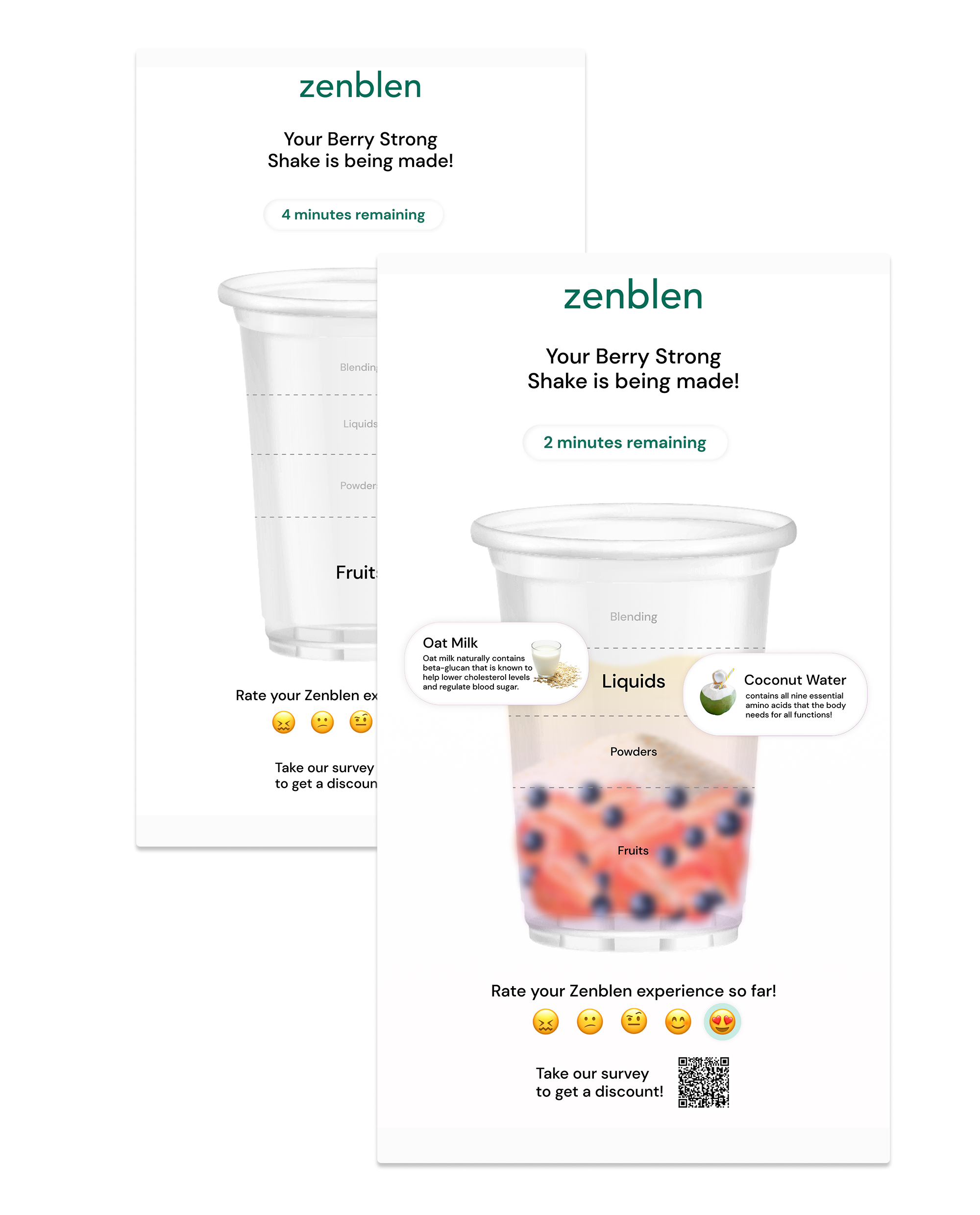
Inspiring trust
in customers and aspirants around the new technology and products.
Interventions
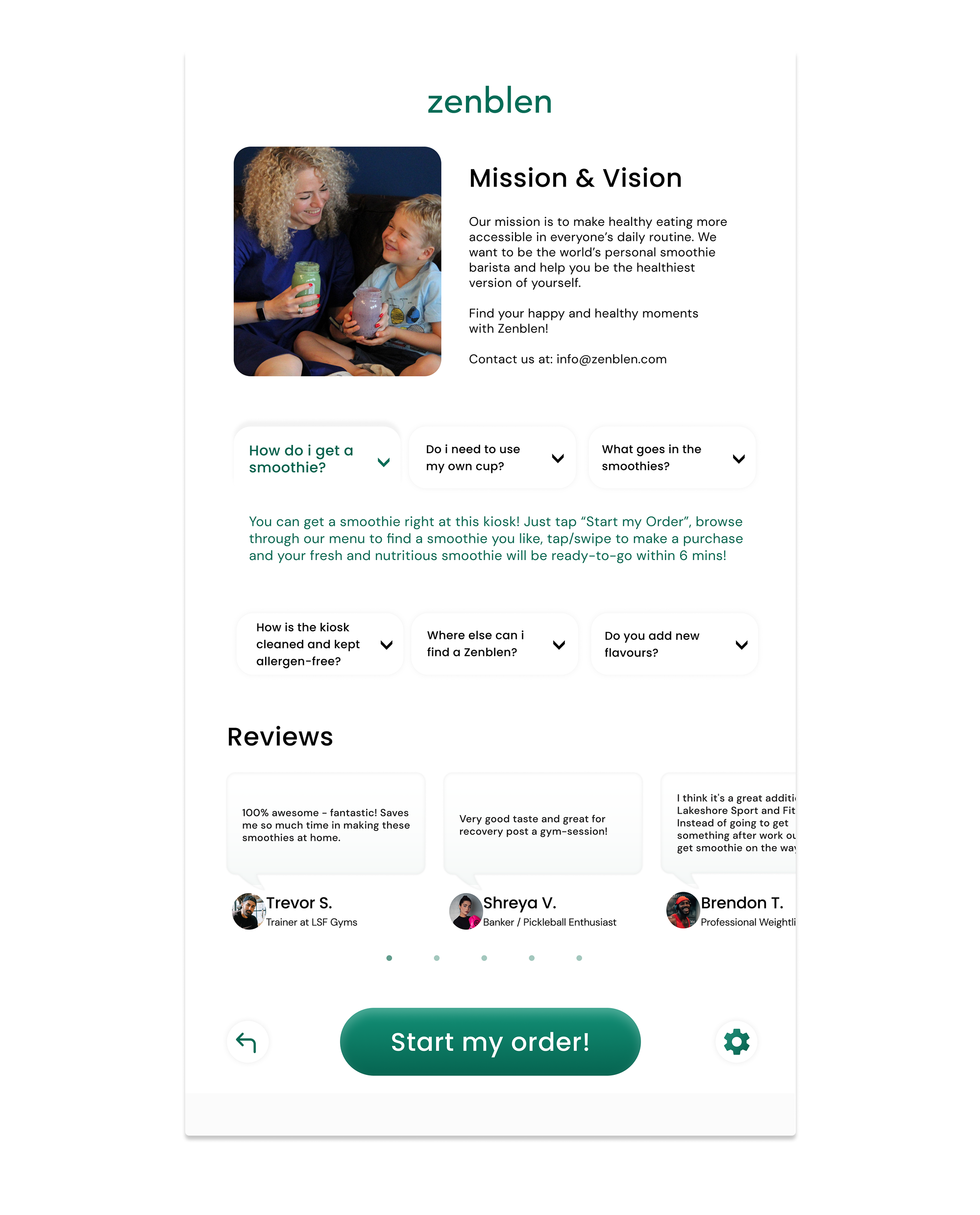
Design Process
Impact
2x
Doubled The Engagement Rate
Customers positively responded to the digital redesign, achieving a 90% user engagement success rate with the kiosk in a span of 2 months.
36%
Sales Growth in 3 Months
Smoothie sales increased by 36% over a three-month period. Sales skyrocketed by 150% at a new hospital location.
10+
Product Expansion
The product's redesign contributed to over $1M in funding to scale to up to 10 new locations across gyms, universities and residential complexes.
Learnings
Learning 01
Regular Usability Audits With Real Users
Prioritizing iterative and continuous usability audits, formally with customers and informally internally.
Learning 02
Understanding + Including Back-End Stakeholders
Understanding the technical product, operations flow deeply and involve them in brainstorming workshops.
Learning 03
Service Design Approach To Product Problems
Developing strategy for all touch-points and different stages in the same roadmap to achieve aligned improvement.